UNICEF–CHAN SHIELD Project
Strengthening Health Impact through Engagement, Leadership & Dialogue
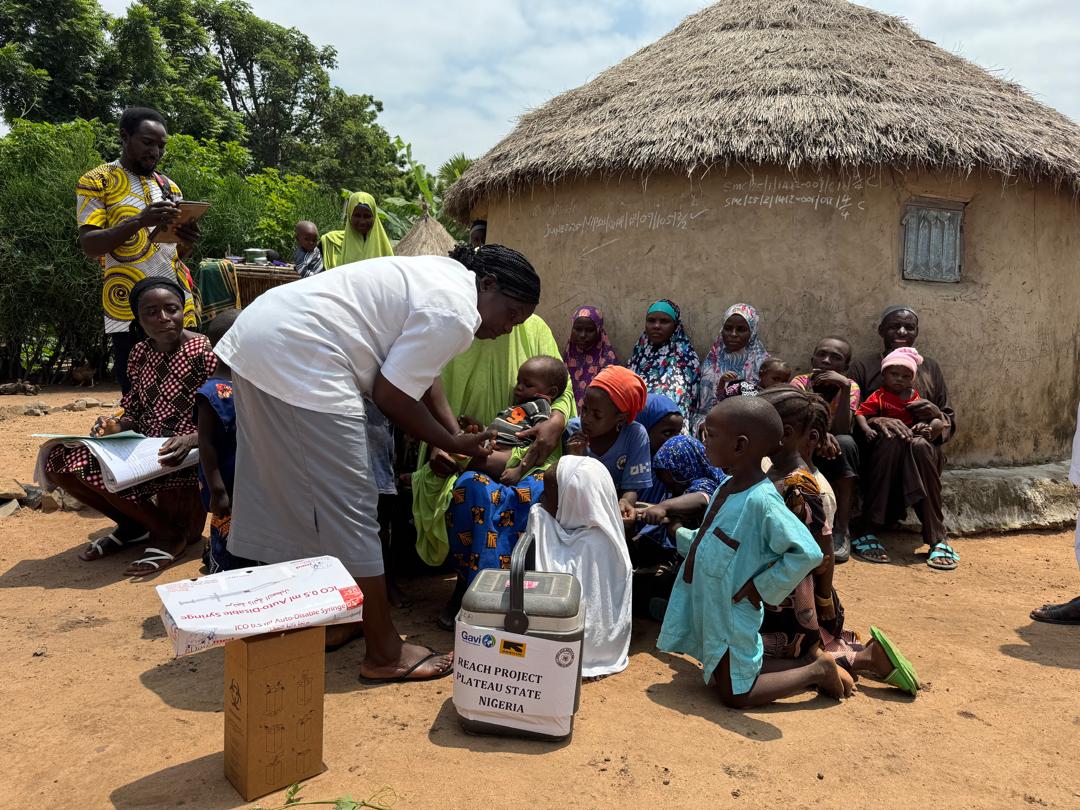
The UNICEF–CHAN SHIELD Project is a flagship community engagement initiative designed to accelerate the successful introduction of the Measles-Rubella (MR) vaccine and intensify the uptake of the Human Papillomavirus (HPV) vaccine across Nigeria. Implemented by the CHAN in partnership with UNICEF, the project responds to persistent gaps in immunisation coverage driven by vaccine hesitancy, misinformation, and limited community trust.
At its core, SHIELD leverages CHAN’s extensive faith-based network and deep-rooted presence in underserved communities to drive behavioural change, strengthen trust, and improve caregiver consent for life-saving vaccines. The project combines grassroots mobilisation, faith and school-based engagement, and culturally responsive communication strategies to ensure no eligible child or adolescent is left behind.
Impact and Value
The UNICEF–CHAN SHIELD Project represents a transformative model for public health delivery in Nigeria, one that shifts from top-down messaging to community-led action. By addressing the social and behavioural drivers of immunisation, SHIELD is not only improving vaccine uptake but also strengthening the foundation for sustainable primary healthcare systems.
With a strong emphasis on equity, gender responsiveness, and sustainability, the project ensures that hard-to-reach and vulnerable populations are prioritised, contributing meaningfully to Nigeria’s national goals of eliminating measles, controlling rubella, and preventing cervical cancer.
Phased Implementation and Expansion
The project was executed in two strategic phases:
- Phase 1: Implemented across five states—Benue, Kaduna, Nasarawa, Jigawa, and Katsina, where CHAN delivered exceptional results in community mobilisation, stakeholder engagement, and timely execution of activities.
- Phase 2: Building on this strong performance, CHAN’s scope was expanded beyond the initial four states (Akwa Ibom, Cross River, Delta, and Ebonyi) to include five additional states, Ekiti, Lagos, Ogun, Ondo, and Osun, bringing the total number of implementation states to fourteen.
Strategic Approach
The SHIELD Project adopts a multi-layered approach anchored on:
- Community Ownership: Empowering Ward Development Committees, religious leaders, and community influencers to drive vaccine demand at the grassroots level
- Faith-Based Engagement: Leveraging trusted religious platforms to address myths, misconceptions, and cultural barriers
- School-Centred Interventions: Promoting HPV vaccination through structured engagement with schools, teachers, and caregivers
- Edutainment and Dialogue: Using culturally relevant communication tools—including community dialogues, theatre, and roadshows—to build awareness and trust
Through these approaches, the project directly targets over 100 million children for MR vaccination and millions of adolescent girls for HPV protection, while also influencing caregivers, educators, and community leaders nationwide.